
Call London and Surrey Windows for Sliding Sash Windows Company in Upper Norwood Reviewed
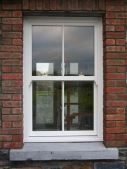 Sliding Sash Windows Upper Norwood Company, call London and Surrey Windows on 0208 058 2765 or use our simple online contact form. Our experienced, independently star rated, Upper Norwood Sliding Sash Window (Installation) Team can assist you with any Sliding Sash Windows in Upper Norwood Reviewed requirements, so please do not hesitate to contact our team on 0208 058 2765.
Timber stays the conventional and frequently preferred substance. Softwoods, hardwoods and engineered products supply authentic looks, strong thermal qualities when well detailed, and the capacity for repair rather than wholesale replacement. In conservation areas and listed buildings, timber is frequently the only material accepted by planning authorities.
To Contact

Present-day alternatives feature high-grade uPVC and aluminium systems engineered to echo timber profiles. They offer reduced maintenance needs, solid energy performance and varied finishes including wood effects. Aluminium offers particular strength for larger openings, while uPVC remains the most economical option for many homeowners.
Practical advantages of sash windows are considerable. Simultaneous top and bottom openings create effective controlled airflow. Balanced proportions allow generous daylight to enter rooms. Fitted with modern double or triple glazing, seals and performance glass, they achieve high levels of energy efficiency and acoustic insulation.
Restoration and sensitive replacement remain vital for the UK’s historic housing stock. Many original windows can be repaired, sealed against draughts and upgraded with slim-profile double glazing while keeping their original character. New timber or high-quality replica windows enable homeowners to maintain architectural integrity in conservation areas.
Sash windows have evolved from aristocratic novelty to everyday feature and back to prized heritage asset. Their combination of practicality, elegance and historical resonance ensures they continue to define British homes. Whether renewing a Georgian terrace, upgrading a Victorian property or installing windows in a contemporary development, the sliding sash supplies a flexible and lasting connection between traditional skill and current living needs.
Two principal mechanical types exist today. Traditional box sash windows conceal heavy counterweights inside hollow timber boxes, delivering authentic operation and appearance. Modern spring-balanced or spiral-balanced versions use concealed spiral springs, allowing slimmer frames and easier installation. Double-hung arrangements in which both sashes travel freely, together with single-hung models, continue to be manufactured.
Sash windows constitute one of the most familiar and admired components of British architectural heritage. Vertically sliding windows of this type have influenced the appearance of streets and residences across the country for well over three centuries. Elegant proportions, efficient ventilation and classic character ensure they remain the preferred solution for period buildings and many contemporary homes.
The history of the sash window begins in the late 1600s. Opinion remains divided on whether the idea first emerged in England, the Low Countries or France, but Britain rapidly adopted and perfected it. Some of the earliest known examples survive at Ham House, Surrey, from the 1670s. Collaboration between Sir Christopher Wren and skilled joiners advanced the counterbalanced system and accelerated its adoption.
In the Georgian years spanning 1714 to 1837, sash windows attained their defining expression. Tall narrow openings with six-over-six glazing became emblematic of stylish urban houses in major centres including London, Bath and Edinburgh. Restricted glass sizes demanded numerous fine glazing bars. Building regulations following the Great Fire encouraged recessed frames, producing the deep reveals that characterise the style to this day.
Victorian developments spanning 1837 to 1901 introduced major advances. Improved glass manufacturing permitted larger panes and therefore simpler two-over-two or one-over-one arrangements. Decorative horns were added to strengthen the meeting rails and prevent breakage. Bay windows increased in frequency, and abolition of the window tax enabled sash windows to appear on dwellings of every class.
Edwardian sash windows of roughly 1901–1914 frequently mixed earlier design ideas. Six smaller panes above two larger ones formed a typical configuration. Overall proportions were often broader and visually lighter than those of the Victorian years.
Pane configurations continue to define period styles. Georgian windows typically display six-over-six or eight-over-eight patterns with fine glazing bars. Victorian examples lean towards two-over-two layouts admitting greater light. Edwardian designs often unite multi-pane upper sashes with unrestricted lower panes.
