
Call London and Surrey Windows for Sliding Sash Windows Company in Banstead Replacement
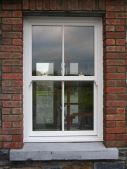 Sliding Sash Windows Banstead Company, call London and Surrey Windows on 0208 058 2765 or use our simple online contact form. Our experienced, independently star rated, Banstead Sliding Sash Window (Design) Team can assist you with any Sliding Sash Windows in Banstead Replacement requirements, so please do not hesitate to contact our team on 0208 058 2765.
Timber stays the conventional and frequently preferred substance. Softwoods, hardwoods and engineered timber deliver authentic looks, strong thermal performance when properly detailed, and the benefit of being repairable. Conservation areas and listed buildings often mandate timber exclusively.
To Contact

Present-day alternatives feature high-grade uPVC and aluminium systems engineered to echo timber profiles. They offer reduced maintenance needs, solid energy performance and varied finishes including wood effects. Aluminium supplies extra rigidity for wide spans, whereas uPVC offers the most cost-effective route for many owners.
Numerous practical advantages accompany sash windows. Excellent controlled ventilation is provided by allowing air entry at both top and bottom at once. Balanced proportions allow generous daylight to enter rooms. When fitted with modern double or triple glazing, draught seals and high-performance glass, they achieve strong energy efficiency and sound insulation.
Careful restoration and thoughtful replacement are essential for Britain’s period housing. Original windows can frequently be repaired, draught-proofed and enhanced with slim double glazing without sacrificing character. New timber or high-quality replica windows help owners preserve architectural integrity within conservation areas.
Sash windows have travelled from exclusive novelty through common use and returned as a valued heritage feature. Practicality combined with elegance and historical depth ensures they remain a defining element of British homes. Whether restoring a Georgian terrace, replacing windows in a Victorian villa or specifying new installations for a modern development, the sliding sash remains a versatile and enduring choice that links past craftsmanship with present-day living standards.
Two principal mechanical types exist today. Classic box sash windows enclose heavy weights inside hollow timber boxes, preserving authentic movement and visual qualities. Spring-balanced alternatives rely on concealed spiral mechanisms that support thinner sections and more straightforward installation. Double-hung arrangements in which both sashes travel freely, together with single-hung models, continue to be manufactured.
Sash windows remain one of the most recognisable and cherished features of British architecture. These vertically sliding windows have shaped the appearance of streets and homes across the country for more than three centuries. Refined proportions, reliable ventilation and enduring style keep them the selection of choice for period dwellings and a good many new constructions.
The history of the sash window begins in the late 1600s. Debate persists about whether the design was first devised in England, the Netherlands or France, yet Britain soon claimed it as its own. Notable early installations exist at Ham House, Surrey, dating from the 1670s. Figures including Sir Christopher Wren and skilled joiners contributed significantly to developing and spreading the weighted sliding system.
Georgian architecture between 1714 and 1837 saw sash windows achieve their mature classic expression. Tall narrow openings with six-over-six glazing became emblematic of stylish urban houses in major centres including London, Bath and Edinburgh. Constraints of contemporary glass production required multiple slender glazing bars. Fire-related building statutes encouraged frames to be set back, generating the deep reveals that remain distinctive today.
Victorian developments from 1837 to 1901 introduced important innovations. Improved glass-making techniques enabled bigger panes and therefore cleaner two-over-two or one-over-one layouts. Projecting horns were introduced to reinforce the meeting rails against damage. Bay windows grew common, and the end of the window tax allowed sash windows to become standard on homes of all social ranks.
Windows of the Edwardian period, dating approximately 1901 to 1914, frequently blended previous traditions. A characteristic layout placed six smaller panes in the top sash over two larger ones below. Overall proportions were often broader and visually lighter than those of the Victorian years.
Pane configurations continue to define period styles. Georgian examples usually show six-over-six or eight-over-eight divisions supported by slender bars. Victorian examples favour two-over-two layouts with larger glass areas. Edwardian designs often unite multi-pane upper sashes with unrestricted lower panes.
