
Call London and Surrey Windows for Sliding Sash Windows Company in Westminster Replacement
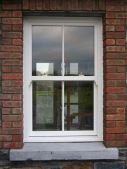 Sliding Sash Windows Westminster Company, call London and Surrey Windows on 0208 058 2765 or use our simple online contact form. Our experienced, independently star rated, Westminster Sliding Sash Window (Installs) Team can assist you with any Sliding Sash Windows in Westminster Replacement requirements, so please do not hesitate to contact our team on 0208 058 2765.
Timber continues as the traditional and often preferred material. Softwoods and hardwoods, including engineered timber, offer authentic appearance, excellent thermal performance when properly detailed, and the ability to be repaired rather than replaced. In conservation areas and listed buildings, timber is regularly the sole material permitted by planning rules.
To Contact

Contemporary choices encompass quality uPVC and aluminium systems engineered to imitate timber outlines. Such materials deliver reduced upkeep, comparable energy performance and extensive colour or wood-grain options. Aluminium provides additional strength for expansive openings; uPVC supplies the budget-friendly solution for many households.
Sash windows offer many practical benefits. Excellent controlled ventilation is provided by allowing air entry at both top and bottom at once. Their balanced proportions flood interiors with natural light. With contemporary double or triple glazing, seals and high-specification glass they attain impressive energy efficiency and noise reduction.
Careful restoration and thoughtful replacement are essential for Britain’s period housing. Many original windows can be repaired, sealed against draughts and upgraded with slim-profile double glazing while keeping their original character. New timber or high-quality replica windows enable homeowners to maintain architectural integrity in conservation areas.
Sash windows have travelled from exclusive novelty through common use and returned as a valued heritage feature. Practicality combined with elegance and historical depth keeps them central to British domestic architecture. Whether restoring Georgian terraces, replacing windows in Victorian villas or specifying units for modern developments, the sliding sash continues as a versatile and enduring choice that joins past craftsmanship with present-day standards.
Two main operating systems are available at present. Classic box sash windows hide substantial counterweights within hollow timber cases, providing genuine movement and looks. Spring-balanced alternatives rely on concealed spiral mechanisms that support thinner sections and more straightforward installation. Double-hung arrangements in which both sashes travel freely, together with single-hung models, continue to be manufactured.
Sash windows constitute one of the most familiar and admired components of British architectural heritage. These vertically operating sliding windows have influenced the look of streets and dwellings throughout the nation for over three hundred years. Their graceful proportions, practical ventilation qualities and lasting style continue to make them the first choice for period properties and many modern buildings.
Origins of the sash window lie in the late seventeenth century. Researchers still differ on whether the design began in England, the Netherlands or France, yet Britain swiftly became the place where it flourished. Surviving early instances can be found at places such as Ham House in Surrey from the 1670s. Collaboration between Sir Christopher Wren and skilled joiners advanced the counterbalanced system and accelerated its adoption.
In the Georgian years spanning 1714 to 1837, sash windows attained their defining expression. Tall narrow windows with six-over-six glazing patterns became emblematic of sophisticated townhouses in London, Bath, Edinburgh and elsewhere. Glassmaking technology limited the size of individual panes, so numerous slender glazing bars were required. Building regulations following the Great Fire encouraged recessed frames, producing the deep reveals that characterise the style to this day.
Victorian innovation between 1837 and 1901 altered sash window design substantially. Improved glass manufacturing permitted larger panes and therefore simpler two-over-two or one-over-one arrangements. Reinforcing horns were added to the meeting rails. Bay windows proliferated, and removal of the window tax allowed sash windows to reach households across the social spectrum.
Windows of the Edwardian period, dating approximately 1901 to 1914, frequently blended previous traditions. A common arrangement featured six smaller panes in the upper sash above two larger panes below. Windows tended to be wider and lighter in appearance than their Victorian predecessors.
Period identity is still conveyed through pane layout. Georgian windows generally exhibit six-over-six or eight-over-eight divisions with fine bars. Victorian examples favour two-over-two layouts with larger glass areas. Edwardian versions often join multi-pane upper sections with plain lower sashes.
