
Call London and Surrey Windows for Sliding Sash Windows Company in Isle Of Dogs Replacement
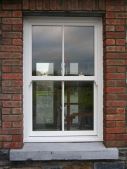 Sliding Sash Windows Isle Of Dogs Company, call London and Surrey Windows on 0208 058 2765 or use our simple online contact form. Our experienced, independently star rated, Isle Of Dogs Sliding Sash Window (Design) Team can assist you with any Sliding Sash Windows in Isle Of Dogs Replacement requirements, so please do not hesitate to contact our team on 0208 058 2765.
Wood continues as the classic and widely favoured choice of material. Softwood, hardwood and engineered timber provide genuine appearance, reliable insulation when correctly detailed, and the possibility of repair instead of replacement. In conservation areas and listed buildings, timber is frequently the only material accepted by planning authorities.
To Contact

Contemporary choices encompass quality uPVC and aluminium systems engineered to imitate timber outlines. These materials provide lower maintenance, competitive thermal performance and a wide range of colours and wood-effect finishes. Aluminium adds strength for larger openings, while uPVC remains the most economical option for many owners.
Sash windows offer many practical benefits. Excellent controlled ventilation is provided by allowing air entry at both top and bottom at once. Balanced proportions allow generous daylight to enter rooms. Equipped with current double or triple glazing, effective seals and advanced glass, they deliver high thermal efficiency and acoustic protection.
Restoration and careful replacement are important for the UK’s stock of historic houses. Many original windows can be repaired, sealed against draughts and upgraded with slim-profile double glazing while keeping their original character. Fresh timber or accurate replica windows help owners preserve the architectural quality required in protected areas.
Sash windows have moved from exclusive innovation through widespread adoption to valued heritage feature once more. A blend of usefulness, visual refinement and historical depth keeps them central to British domestic architecture. Whether restoring Georgian terraces, replacing windows in Victorian villas or specifying units for modern developments, the sliding sash continues as a versatile and enduring choice that joins past craftsmanship with present-day standards.
Two main operating systems are available at present. Classic box sash windows hide substantial counterweights within hollow timber cases, providing genuine movement and looks. Contemporary spring or spiral balanced models employ hidden coiled springs that permit narrower profiles and simpler fitting. Double-hung units allowing independent movement of both sashes, together with single-hung alternatives, continue to be produced.
Sash windows rank among the most characteristic and valued features of architecture in the United Kingdom. These upright sliding windows have moulded the façades of streets and houses throughout the United Kingdom for more than three hundred years. Their refined proportions, effective ventilation and lasting appeal ensure they stay the favoured option for historic houses and numerous contemporary projects.
The story of the sash window starts in the closing decades of the seventeenth century. Opinion remains divided on whether the idea first emerged in England, the Low Countries or France, but Britain rapidly adopted and perfected it. Notable early installations exist at Ham House, Surrey, dating from the 1670s. Sir Christopher Wren and his master joiner played an important role in refining and popularising the counterbalanced sliding mechanism.
The Georgian period of 1714 to 1837 saw sash windows reach their fully developed classic state. Tall narrow windows with six-over-six glazing patterns became emblematic of sophisticated townhouses in London, Bath, Edinburgh and elsewhere. Restricted glass sizes demanded numerous fine glazing bars. Fire-related building statutes encouraged frames to be set back, generating the deep reveals that remain distinctive today.
Victorian developments from 1837 to 1901 introduced important innovations. Improved glass manufacturing permitted larger panes and therefore simpler two-over-two or one-over-one arrangements. Strengthening horns appeared on the meeting rails. Bay windows grew common, and the end of the window tax allowed sash windows to become standard on homes of all social ranks.
Windows of the Edwardian period, dating approximately 1901 to 1914, frequently blended previous traditions. A common arrangement featured six smaller panes in the upper sash above two larger panes below. Proportions tended to be wider and less substantial than those of the preceding Victorian period.
Period identity is still conveyed through pane layout. Georgian windows customarily present six-over-six or eight-over-eight grids with delicate bars. Victorian counterparts adopt two-over-two patterns that maximise glass area. Edwardian windows commonly pair multi-pane upper sashes with clear lower ones.
