
Call London and Surrey Windows for Sliding Sash Windows Company in East London Replacement
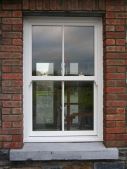 Sliding Sash Windows East London Company, call London and Surrey Windows on 0208 058 2765 or use our simple online contact form. Our experienced, independently star rated, East London Sliding Sash Window (UK) Team can assist you with any Sliding Sash Windows in East London Replacement requirements, so please do not hesitate to contact our team on 0208 058 2765.
Timber remains the traditional and often preferred material. Softwood and hardwood options, along with engineered timber, deliver genuine character, good insulation when correctly specified, and the advantage of repairability. Authorities responsible for conservation areas and listed buildings frequently require timber construction alone.
To Contact

Modern material choices include quality uPVC and aluminium systems created to match timber profiles. They supply reduced maintenance, comparable energy efficiency and a broad selection of colours or wood-effect finishes. Aluminium provides additional strength for expansive openings; uPVC supplies the budget-friendly solution for many households.
Sash windows offer many practical benefits. They deliver excellent controlled ventilation by allowing air to enter at both the top and bottom simultaneously. Their balanced proportions flood interiors with natural light. Fitted with modern double or triple glazing, seals and performance glass, they achieve high levels of energy efficiency and acoustic insulation.
Restoration and sensitive replacement remain vital for the UK’s historic housing stock. Original windows can frequently be repaired, draught-proofed and enhanced with slim double glazing without sacrificing character. New timber or faithful replica units allow owners to uphold the visual integrity demanded in protected locations.
From exclusive novelty to common feature and once more to treasured heritage element, sash windows have completed a full circle. Practical usefulness joined with aesthetic grace and historical depth maintains their place at the heart of British housing. Whether renewing a Georgian terrace, upgrading a Victorian property or installing windows in a contemporary development, the sliding sash supplies a flexible and lasting connection between traditional skill and current living needs.
Two chief mechanical systems operate in current production. Classic box sash windows hide substantial counterweights within hollow timber cases, providing genuine movement and looks. Contemporary spring or spiral balanced models employ hidden coiled springs that permit narrower profiles and simpler fitting. Double-hung units allowing independent movement of both sashes, together with single-hung alternatives, continue to be produced.
Sash windows constitute one of the most familiar and admired components of British architectural heritage. These upright sliding windows have moulded the façades of streets and houses throughout the United Kingdom for more than three hundred years. Their refined proportions, effective ventilation and lasting appeal ensure they stay the favoured option for historic houses and numerous contemporary projects.
The story of the sash window starts in the closing decades of the seventeenth century. Opinion remains divided on whether the idea first emerged in England, the Low Countries or France, but Britain rapidly adopted and perfected it. Early surviving examples are recorded at Ham House in Surrey from the 1670s onwards. Sir Christopher Wren and his master joiner played an important role in refining and popularising the counterbalanced sliding mechanism.
Throughout the Georgian era of 1714–1837, sash windows developed into their archetypal form. Tall narrow windows with six-over-six glazing patterns became emblematic of sophisticated townhouses in London, Bath, Edinburgh and elsewhere. Limitations in glass manufacture restricted pane size, necessitating multiple delicate glazing bars. Strict building regulations after the Great Fire of London also encouraged recessed frames, creating the characteristic deep reveals still seen today.
Victorian developments spanning 1837 to 1901 introduced major advances. Better glass technology permitted larger individual panes and consequently simpler two-over-two or single-pane arrangements. Projecting horns were introduced to reinforce the meeting rails against damage. Bay windows proliferated, and removal of the window tax allowed sash windows to reach households across the social spectrum.
Edwardian sash windows dating from approximately 1901 to 1914 commonly fused earlier stylistic traits. One typical pattern placed six smaller panes above two larger ones. Windows of this period were generally wider and visually lighter than Victorian examples.
Glazing bar patterns remain the clearest indicator of period style. Georgian windows typically display six-over-six or eight-over-eight patterns with fine glazing bars. Victorian designs prefer two-over-two arrangements that admit more light. Edwardian windows commonly pair multi-pane upper sashes with clear lower ones.
