
Call London and Surrey Windows for Sliding Sash Windows Company in St Pancras Recommended
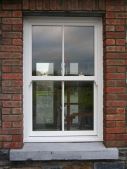 Sliding Sash Windows St Pancras Company, call London and Surrey Windows on 0208 058 2765 or use our simple online contact form. Our experienced, independently star rated, St Pancras Sliding Sash Window (Design) Team can assist you with any Sliding Sash Windows in St Pancras Recommended requirements, so please do not hesitate to contact our team on 0208 058 2765.
Timber continues as the traditional and often preferred material. Softwood, hardwood and engineered timber provide genuine appearance, reliable insulation when correctly detailed, and the possibility of repair instead of replacement. In conservation areas and listed buildings, timber is frequently the only material accepted by planning authorities.
To Contact

Present-day alternatives feature high-grade uPVC and aluminium systems engineered to echo timber profiles. They offer reduced maintenance needs, solid energy performance and varied finishes including wood effects. Aluminium adds strength for larger openings, while uPVC remains the most economical option for many owners.
The practical benefits of sash windows are numerous. They deliver excellent controlled ventilation by allowing air to enter at both the top and bottom simultaneously. Balanced proportions bring abundant natural light indoors. When fitted with modern double or triple glazing, draught seals and high-performance glass, they achieve strong energy efficiency and sound insulation.
Careful restoration and thoughtful replacement are essential for Britain’s period housing. Many original frames can be repaired, draught-sealed and fitted with slim double glazing while keeping their character intact. New timber or high-quality replica windows help owners preserve architectural integrity within conservation areas.
Sash windows have evolved from aristocratic novelty to everyday feature and back to prized heritage asset. A blend of usefulness, visual refinement and historical depth keeps them central to British domestic architecture. Whether updating a Georgian terrace, renewing a Victorian house or installing units in a new scheme, the sliding sash provides a flexible and lasting solution that connects traditional skill with modern requirements.
Two principal mechanical types exist today. Classic box sash windows hide substantial counterweights within hollow timber cases, providing genuine movement and looks. Modern spring-balanced or spiral-balanced versions use concealed spiral springs, allowing slimmer frames and easier installation. Double-hung units allowing independent movement of both sashes, together with single-hung alternatives, continue to be produced.
Sash windows stand among the most distinctive and valued elements of British architecture. These upright sliding windows have moulded the façades of streets and houses throughout the United Kingdom for more than three hundred years. Their elegant proportions, practical ventilation and timeless character continue to make them the preferred choice for period properties and many new builds alike.
The origins of the sash window can be traced to the late seventeenth century. Debate persists about whether the design was first devised in England, the Netherlands or France, yet Britain soon claimed it as its own. Early surviving examples are recorded at Ham House in Surrey from the 1670s onwards. Sir Christopher Wren and his joiners refined the counterweight system and promoted its wider acceptance.
In the Georgian years spanning 1714 to 1837, sash windows attained their defining expression. Tall slim openings featuring six-over-six panes became defining elements of elegant townhouses in London, Bath, Edinburgh and similar cities. Limitations in glass manufacture restricted pane size, necessitating multiple delicate glazing bars. Building regulations following the Great Fire encouraged recessed frames, producing the deep reveals that characterise the style to this day.
Victorian developments from 1837 to 1901 introduced important innovations. Advances in glass production allowed larger panes, leading to simpler two-over-two or even one-over-one configurations. Projecting horns were introduced to reinforce the meeting rails against damage. Bay windows increased in frequency, and abolition of the window tax enabled sash windows to appear on dwellings of every class.
Edwardian sash windows, produced roughly between 1901 and 1914, often combined earlier influences. One typical pattern placed six smaller panes above two larger ones. Windows tended to be wider and lighter in appearance than their Victorian predecessors.
Pane arrangements continue to signal historical style. Georgian windows typically display six-over-six or eight-over-eight patterns with fine glazing bars. Victorian designs prefer two-over-two layouts that increase the glass area. Edwardian windows often combine multi-pane upper sashes with clear lower panes.
