
Call London and Surrey Windows for Sliding Sash Windows Company in Oxted Local
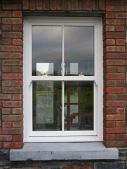 Sliding Sash Windows Oxted Company, call London and Surrey Windows on 0208 058 2765 or use our simple online contact form. Our experienced, independently star rated, Oxted Sliding Sash Window (Installs) Team can assist you with any Sliding Sash Windows in Oxted Local requirements, so please do not hesitate to contact our team on 0208 058 2765.
Timber endures as the traditional and commonly favoured material. Softwood, hardwood and engineered timber provide genuine appearance, reliable insulation when correctly detailed, and the possibility of repair instead of replacement. In conservation areas and listed buildings, timber is frequently the only material accepted by planning authorities.
To Contact

Modern material options comprise refined uPVC and aluminium systems that closely copy timber profiles. These materials provide lower maintenance, competitive thermal performance and a wide range of colours and wood-effect finishes. Aluminium contributes greater strength for wider spans, while uPVC represents the most affordable route for numerous householders.
Sash windows offer many practical benefits. Controlled ventilation is achieved by admitting air simultaneously at the upper and lower openings. Balanced dimensions allow generous daylight penetration. When equipped with modern double or triple glazing, draught seals and high-performance glass, they deliver strong energy efficiency and sound insulation.
Careful restoration and thoughtful replacement are essential for Britain’s period housing. Many original windows can be repaired, draught-proofed and upgraded with slim-profile double glazing while retaining their character. Newly made timber or accurate replica units help homeowners satisfy the architectural expectations of conservation zones.
From exclusive novelty to common feature and once more to treasured heritage element, sash windows have completed a full circle. Practicality combined with elegance and historical depth ensures they remain a defining element of British homes. Whether restoring Georgian terraces, replacing windows in Victorian villas or specifying units for modern developments, the sliding sash continues as a versatile and enduring choice that joins past craftsmanship with present-day standards.
Two main mechanical types are produced today. Classic box sash windows hide substantial counterweights within hollow timber cases, providing genuine movement and looks. Spring-balanced alternatives rely on concealed spiral mechanisms that support thinner sections and more straightforward installation. Double-hung units allowing independent movement of both sashes, together with single-hung alternatives, continue to be produced.
Sash windows rank among the most characteristic and valued features of architecture in the United Kingdom. These vertically sliding windows have shaped the appearance of streets and homes across the country for more than three centuries. Their elegant proportions, practical ventilation and timeless character continue to make them the preferred choice for period properties and many new builds alike.
Origins of the sash window lie in the late seventeenth century. Debate persists about whether the design was first devised in England, the Netherlands or France, yet Britain soon claimed it as its own. Some of the earliest known examples survive at Ham House, Surrey, from the 1670s. Sir Christopher Wren together with expert joiners refined the counterweight mechanism and encouraged its wider use.
In the Georgian years spanning 1714 to 1837, sash windows attained their defining expression. Tall narrow windows with six-over-six glazing patterns became emblematic of sophisticated townhouses in London, Bath, Edinburgh and elsewhere. Restricted pane sizes resulting from glass technology required numerous thin glazing bars. Building controls introduced after 1666 favoured recessed positioning, resulting in the deep reveals characteristic of the style.
Between 1837 and 1901 the Victorian age transformed sash design. Improved glass-making techniques enabled bigger panes and therefore cleaner two-over-two or one-over-one layouts. Reinforcing horns were added to the meeting rails. Bay windows increased in frequency, and abolition of the window tax enabled sash windows to appear on dwellings of every class.
Edwardian sash windows dating from approximately 1901 to 1914 commonly fused earlier stylistic traits. Six smaller upper panes above two larger lower panes formed a frequent pattern. These windows generally appeared broader and less heavy than Victorian counterparts.
Glazing bar patterns remain the clearest indicator of period style. Georgian windows customarily present six-over-six or eight-over-eight grids with delicate bars. Victorian counterparts adopt two-over-two patterns that maximise glass area. Edwardian windows commonly pair multi-pane upper sashes with clear lower ones.
