
Call London and Surrey Windows for Sliding Sash Windows Company in Chobham Local
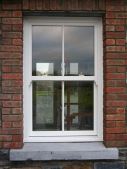 Sliding Sash Windows Chobham Company, call London and Surrey Windows on 0208 058 2765 or use our simple online contact form. Our experienced, independently star rated, Chobham Sliding Sash Window (Specialists) Team can assist you with any Sliding Sash Windows in Chobham Local requirements, so please do not hesitate to contact our team on 0208 058 2765.
Timber remains the traditional and often preferred material. Softwoods, hardwoods and engineered timber deliver authentic looks, strong thermal performance when properly detailed, and the benefit of being repairable. Conservation areas and listed buildings often mandate timber exclusively.
To Contact

Present-day alternatives feature high-grade uPVC and aluminium systems engineered to echo timber profiles. These deliver lower maintenance, competitive thermal results and extensive colour or simulated-wood finishes. Aluminium adds strength for larger openings, while uPVC remains the most economical option for many owners.
The practical benefits of sash windows are numerous. Simultaneous top and bottom openings create effective controlled airflow. Balanced dimensions allow generous daylight penetration. When equipped with modern double or triple glazing, draught seals and high-performance glass, they deliver strong energy efficiency and sound insulation.
Restoring and carefully replacing sash windows is crucial for the nation’s historic properties. Many original windows can be repaired, draught-proofed and upgraded with slim-profile double glazing while retaining their character. New timber or high-quality replica windows help owners preserve architectural integrity within conservation areas.
Sash windows have evolved from aristocratic novelty to everyday feature and back to prized heritage asset. Practicality combined with elegance and historical depth ensures they remain a defining element of British homes. Whether renewing a Georgian terrace, upgrading a Victorian property or installing windows in a contemporary development, the sliding sash supplies a flexible and lasting connection between traditional skill and current living needs.
Two principal mechanical types exist today. Traditional box-sash construction houses weights within hollow timber frames, ensuring authentic operation and appearance. Modern spring-balanced or spiral-balanced versions use concealed spiral springs, allowing slimmer frames and easier installation. Both double-hung designs, in which the upper and lower sashes move independently, and single-hung versions remain available.
Sash windows rank among the most characteristic and valued features of architecture in the United Kingdom. Vertically sliding designs have determined the character of thoroughfares and residences nationwide for upwards of three centuries. Their elegant proportions, practical ventilation and timeless character continue to make them the preferred choice for period properties and many new builds alike.
The history of the sash window begins in the late 1600s. Researchers still differ on whether the design began in England, the Netherlands or France, yet Britain swiftly became the place where it flourished. Notable early installations exist at Ham House, Surrey, dating from the 1670s. Collaboration between Sir Christopher Wren and skilled joiners advanced the counterbalanced system and accelerated its adoption.
Throughout the Georgian era of 1714–1837, sash windows developed into their archetypal form. Tall narrow openings with six-over-six glazing became emblematic of stylish urban houses in major centres including London, Bath and Edinburgh. Glassmaking technology limited the size of individual panes, so numerous slender glazing bars were required. Building controls introduced after 1666 favoured recessed positioning, resulting in the deep reveals characteristic of the style.
Victorian developments spanning 1837 to 1901 introduced major advances. Better glass technology permitted larger individual panes and consequently simpler two-over-two or single-pane arrangements. Decorative horns strengthened the meeting rails against breakage. Bay windows increased in frequency, and abolition of the window tax enabled sash windows to appear on dwellings of every class.
Edwardian examples from around 1901 to 1914 typically merged elements from earlier periods. A characteristic layout placed six smaller panes in the top sash over two larger ones below. Overall proportions were often broader and visually lighter than those of the Victorian years.
Glazing bar patterns remain the clearest indicator of period style. Georgian windows customarily present six-over-six or eight-over-eight grids with delicate bars. Victorian counterparts adopt two-over-two patterns that maximise glass area. Edwardian windows commonly pair multi-pane upper sashes with clear lower ones.
