
Call London and Surrey Windows for Sliding Sash Windows Company in Roehampton Certified
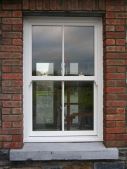 Sliding Sash Windows Roehampton Company, call London and Surrey Windows on 0208 058 2765 or use our simple online contact form. Our experienced, independently star rated, Roehampton Sliding Sash Window (Design) Team can assist you with any Sliding Sash Windows in Roehampton Certified requirements, so please do not hesitate to contact our team on 0208 058 2765.
Timber stays the conventional and frequently preferred substance. Softwood and hardwood options, along with engineered timber, deliver genuine character, good insulation when correctly specified, and the advantage of repairability. Planning authorities in conservation zones and listed properties commonly insist on timber construction.
To Contact

Present-day alternatives feature high-grade uPVC and aluminium systems engineered to echo timber profiles. They offer reduced maintenance needs, solid energy performance and varied finishes including wood effects. Aluminium provides additional strength for expansive openings; uPVC supplies the budget-friendly solution for many households.
Sash windows offer many practical benefits. Controlled ventilation is achieved by admitting air simultaneously at the upper and lower openings. Harmonious proportions admit abundant natural light. When equipped with modern double or triple glazing, draught seals and high-performance glass, they deliver strong energy efficiency and sound insulation.
Careful restoration and thoughtful replacement are essential for Britain’s period housing. Original windows can frequently be repaired, draught-proofed and enhanced with slim double glazing without sacrificing character. New timber or high-quality replica windows enable homeowners to maintain architectural integrity in conservation areas.
Sash windows have evolved from aristocratic novelty to everyday feature and back to prized heritage asset. A blend of usefulness, visual refinement and historical depth keeps them central to British domestic architecture. Whether renovating Georgian terraces, updating Victorian homes or specifying windows for modern schemes, the sliding sash offers a practical and lasting link between historic craftsmanship and today’s living standards.
Two main operating systems are available at present. Classic box sash windows hide substantial counterweights within hollow timber cases, providing genuine movement and looks. Spring-balanced alternatives rely on concealed spiral mechanisms that support thinner sections and more straightforward installation. Double-hung arrangements in which both sashes travel freely, together with single-hung models, continue to be manufactured.
Sash windows remain one of the most recognisable and cherished features of British architecture. These vertically operating sliding windows have influenced the look of streets and dwellings throughout the nation for over three hundred years. Refined proportions, reliable ventilation and enduring style keep them the selection of choice for period dwellings and a good many new constructions.
Origins of the sash window lie in the late seventeenth century. Researchers still differ on whether the design began in England, the Netherlands or France, yet Britain swiftly became the place where it flourished. Surviving early instances can be found at places such as Ham House in Surrey from the 1670s. Sir Christopher Wren together with expert joiners refined the counterweight mechanism and encouraged its wider use.
The Georgian period of 1714 to 1837 saw sash windows reach their fully developed classic state. Tall and slender windows arranged in six-over-six patterns became signatures of refined townhouses across London, Bath, Edinburgh and other cities. Glassmaking technology limited the size of individual panes, so numerous slender glazing bars were required. Building controls introduced after 1666 favoured recessed positioning, resulting in the deep reveals characteristic of the style.
Victorian innovation between 1837 and 1901 altered sash window design substantially. Progress in glass manufacture supported larger panes and therefore cleaner two-over-two or one-over-one configurations. Strengthening horns appeared on the meeting rails. Bay windows proliferated, and removal of the window tax allowed sash windows to reach households across the social spectrum.
Edwardian sash windows, produced roughly between 1901 and 1914, often combined earlier influences. A common arrangement featured six smaller panes in the upper sash above two larger panes below. Proportions tended to be wider and less substantial than those of the preceding Victorian period.
Pane configurations continue to define period styles. Georgian windows typically display six-over-six or eight-over-eight patterns with fine glazing bars. Victorian designs prefer two-over-two arrangements that admit more light. Edwardian windows often combine multi-pane upper sashes with clear lower panes.
