
Call London and Surrey Windows for Sliding Sash Windows Company in Globe Town Certified
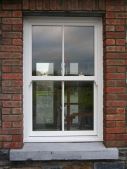 Sliding Sash Windows Globe Town Company, call London and Surrey Windows on 0208 058 2765 or use our simple online contact form. Our experienced, independently star rated, Globe Town Sliding Sash Window (UK) Team can assist you with any Sliding Sash Windows in Globe Town Certified requirements, so please do not hesitate to contact our team on 0208 058 2765.
Timber stays the conventional and frequently preferred substance. Softwood, hardwood and engineered timber provide genuine appearance, reliable insulation when correctly detailed, and the possibility of repair instead of replacement. Conservation areas and listed buildings often mandate timber exclusively.
To Contact

Present-day alternatives feature high-grade uPVC and aluminium systems engineered to echo timber profiles. They supply reduced maintenance, comparable energy efficiency and a broad selection of colours or wood-effect finishes. Aluminium contributes greater strength for wider spans, while uPVC represents the most affordable route for numerous householders.
Sash windows bring a range of functional advantages. Controlled ventilation is achieved by admitting air simultaneously at the upper and lower openings. Balanced dimensions allow generous daylight penetration. When equipped with modern double or triple glazing, draught seals and high-performance glass, they deliver strong energy efficiency and sound insulation.
Restoring and carefully replacing sash windows is crucial for the nation’s historic properties. Original windows can frequently be repaired, draught-proofed and enhanced with slim double glazing without sacrificing character. New timber or faithful replica units allow owners to uphold the visual integrity demanded in protected locations.
Sash windows have evolved from aristocratic novelty to everyday feature and back to prized heritage asset. Practical usefulness joined with aesthetic grace and historical depth maintains their place at the heart of British housing. Whether renovating Georgian terraces, updating Victorian homes or specifying windows for modern schemes, the sliding sash offers a practical and lasting link between historic craftsmanship and today’s living standards.
Two main mechanical types are produced today. Traditional box sash windows conceal heavy counterweights inside hollow timber boxes, delivering authentic operation and appearance. Spring-balanced alternatives rely on concealed spiral mechanisms that support thinner sections and more straightforward installation. Double-hung systems allowing independent movement of both sashes, as well as single-hung options, remain widely available.
Sash windows rank among the most characteristic and valued features of architecture in the United Kingdom. Vertically sliding windows of this type have influenced the appearance of streets and residences across the country for well over three centuries. Their elegant proportions, practical ventilation and timeless character continue to make them the preferred choice for period properties and many new builds alike.
The origins of the sash window can be traced to the late seventeenth century. Researchers still differ on whether the design began in England, the Netherlands or France, yet Britain swiftly became the place where it flourished. Early surviving examples are recorded at Ham House in Surrey from the 1670s onwards. Figures including Sir Christopher Wren and skilled joiners contributed significantly to developing and spreading the weighted sliding system.
Throughout the Georgian era of 1714–1837, sash windows developed into their archetypal form. Tall, narrow windows with six-over-six pane arrangements became the hallmark of elegant townhouses in London, Bath, Edinburgh and beyond. Restricted pane sizes resulting from glass technology required numerous thin glazing bars. Strict building regulations after the Great Fire of London also encouraged recessed frames, creating the characteristic deep reveals still seen today.
Victorian developments from 1837 to 1901 introduced important innovations. Improved glass-making techniques enabled bigger panes and therefore cleaner two-over-two or one-over-one layouts. Decorative horns strengthened the meeting rails against breakage. Bay windows became increasingly popular, and sash windows appeared on homes of every social class after the repeal of the window tax.
Edwardian sash windows of roughly 1901–1914 frequently mixed earlier design ideas. Six smaller panes above two larger ones formed a typical configuration. Windows tended to be wider and lighter in appearance than their Victorian predecessors.
Glazing bar patterns remain the clearest indicator of period style. Georgian windows generally exhibit six-over-six or eight-over-eight divisions with fine bars. Victorian counterparts adopt two-over-two patterns that maximise glass area. Edwardian designs often unite multi-pane upper sashes with unrestricted lower panes.
