
Call London and Surrey Windows for Sliding Sash Windows Company in Staines-upon-Thames Best
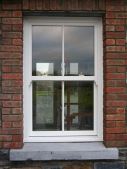 Sliding Sash Windows Staines-upon-Thames Company, call London and Surrey Windows on 0208 058 2765 or use our simple online contact form. Our experienced, independently star rated, Staines-upon-Thames Sliding Sash Window (Installs) Team can assist you with any Sliding Sash Windows in Staines-upon-Thames Best requirements, so please do not hesitate to contact our team on 0208 058 2765.
Timber stays the conventional and frequently preferred substance. Softwood and hardwood options, along with engineered timber, deliver genuine character, good insulation when correctly specified, and the advantage of repairability. Conservation areas and listed buildings often mandate timber exclusively.
To Contact

Modern material options comprise refined uPVC and aluminium systems that closely copy timber profiles. These materials provide lower maintenance, competitive thermal performance and a wide range of colours and wood-effect finishes. Aluminium offers particular strength for larger openings, while uPVC remains the most economical option for many homeowners.
Practical advantages of sash windows are considerable. Controlled ventilation is achieved by admitting air simultaneously at the upper and lower openings. Balanced proportions allow generous daylight to enter rooms. With contemporary double or triple glazing, seals and high-specification glass they attain impressive energy efficiency and noise reduction.
Restoration and sensitive replacement remain vital for the UK’s historic housing stock. Original windows can frequently be repaired, draught-proofed and enhanced with slim double glazing without sacrificing character. Fresh timber or accurate replica windows help owners preserve the architectural quality required in protected areas.
Having progressed from aristocratic innovation to everyday feature and returned as a prized heritage element, sash windows retain their significance. A blend of usefulness, visual refinement and historical depth keeps them central to British domestic architecture. Whether restoring a Georgian terrace, replacing windows in a Victorian villa or specifying new installations for a modern development, the sliding sash remains a versatile and enduring choice that links past craftsmanship with present-day living standards.
Two main operating systems are available at present. Traditional box sash windows house substantial counterweights within hollow timber frames, guaranteeing authentic operation and appearance. Modern spring-balanced or spiral-balanced versions use concealed spiral springs, allowing slimmer frames and easier installation. Double-hung systems permitting free movement of both sashes, plus single-hung variants, remain standard.
Sash windows constitute one of the most familiar and admired components of British architectural heritage. These upright sliding windows have moulded the façades of streets and houses throughout the United Kingdom for more than three hundred years. Elegant proportions, efficient ventilation and classic character ensure they remain the preferred solution for period buildings and many contemporary homes.
The history of the sash window begins in the late 1600s. Opinion remains divided on whether the idea first emerged in England, the Low Countries or France, but Britain rapidly adopted and perfected it. Some of the earliest known examples survive at Ham House, Surrey, from the 1670s. Sir Christopher Wren and his joiners refined the counterweight system and promoted its wider acceptance.
During the Georgian period from 1714 to 1837, sash windows reached their classic form. Tall and slender windows arranged in six-over-six patterns became signatures of refined townhouses across London, Bath, Edinburgh and other cities. Glassmaking technology limited the size of individual panes, so numerous slender glazing bars were required. Strict building regulations after the Great Fire of London also encouraged recessed frames, creating the characteristic deep reveals still seen today.
Victorian innovation between 1837 and 1901 altered sash window design substantially. Better glass technology permitted larger individual panes and consequently simpler two-over-two or single-pane arrangements. Reinforcing horns were added to the meeting rails. Bay windows proliferated, and removal of the window tax allowed sash windows to reach households across the social spectrum.
Edwardian sash windows, produced roughly between 1901 and 1914, often combined earlier influences. A characteristic layout placed six smaller panes in the top sash over two larger ones below. These windows generally appeared broader and less heavy than Victorian counterparts.
Glazing patterns still distinguish the various historical styles. Georgian examples usually show six-over-six or eight-over-eight divisions supported by slender bars. Victorian designs prefer two-over-two layouts that increase the glass area. Edwardian windows often combine multi-pane upper sashes with clear lower panes.
