
Call London and Surrey Windows for Sliding Sash Windows Company in Mayfair Best
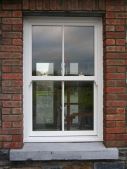 Sliding Sash Windows Mayfair Company, call London and Surrey Windows on 0208 058 2765 or use our simple online contact form. Our experienced, independently star rated, Mayfair Sliding Sash Window (Design) Team can assist you with any Sliding Sash Windows in Mayfair Best requirements, so please do not hesitate to contact our team on 0208 058 2765.
Timber stays the conventional and frequently preferred substance. Softwoods, hardwoods and engineered timber deliver authentic looks, strong thermal performance when properly detailed, and the benefit of being repairable. Authorities responsible for conservation areas and listed buildings frequently require timber construction alone.
To Contact

Modern alternatives include high-quality uPVC and aluminium systems designed to replicate timber profiles. These materials provide lower maintenance, competitive thermal performance and a wide range of colours and wood-effect finishes. Aluminium provides additional strength for expansive openings; uPVC supplies the budget-friendly solution for many households.
Numerous practical advantages accompany sash windows. Controlled ventilation arises from simultaneous air intake at top and bottom. Balanced dimensions allow generous daylight penetration. Fitted with modern double or triple glazing, seals and performance glass, they achieve high levels of energy efficiency and acoustic insulation.
Restoration and careful replacement are important for the UK’s stock of historic houses. Original units can often be overhauled, sealed against draughts and improved with slim double glazing without loss of character. New timber or faithful replica units allow owners to uphold the visual integrity demanded in protected locations.
Sash windows have moved from exclusive innovation through widespread adoption to valued heritage feature once more. A blend of usefulness, visual refinement and historical depth keeps them central to British domestic architecture. Whether restoring Georgian terraces, replacing windows in Victorian villas or specifying units for modern developments, the sliding sash continues as a versatile and enduring choice that joins past craftsmanship with present-day standards.
Two principal mechanical types exist today. Traditional box sash windows conceal heavy counterweights inside hollow timber boxes, delivering authentic operation and appearance. Modern spring-balanced versions employ concealed spiral springs that permit thinner frames and easier installation. Both double-hung designs, in which the upper and lower sashes move independently, and single-hung versions remain available.
Sash windows stand among the most distinctive and valued elements of British architecture. Vertically sliding designs have determined the character of thoroughfares and residences nationwide for upwards of three centuries. Their refined proportions, effective ventilation and lasting appeal ensure they stay the favoured option for historic houses and numerous contemporary projects.
Sash window development commenced towards the end of the seventeenth century. Researchers still differ on whether the design began in England, the Netherlands or France, yet Britain swiftly became the place where it flourished. Early surviving examples are recorded at Ham House in Surrey from the 1670s onwards. Sir Christopher Wren together with expert joiners refined the counterweight mechanism and encouraged its wider use.
During the Georgian period from 1714 to 1837, sash windows reached their classic form. Tall, narrow windows with six-over-six pane arrangements became the hallmark of elegant townhouses in London, Bath, Edinburgh and beyond. Restricted pane sizes resulting from glass technology required numerous thin glazing bars. Building regulations following the Great Fire encouraged recessed frames, producing the deep reveals that characterise the style to this day.
Between 1837 and 1901 the Victorian age transformed sash design. Better glass technology permitted larger individual panes and consequently simpler two-over-two or single-pane arrangements. Strengthening horns appeared on the meeting rails. Bay windows increased in frequency, and abolition of the window tax enabled sash windows to appear on dwellings of every class.
Edwardian sash windows, produced roughly between 1901 and 1914, often combined earlier influences. One typical pattern placed six smaller panes above two larger ones. Windows of this period were generally wider and visually lighter than Victorian examples.
Glazing patterns still distinguish the various historical styles. Georgian windows generally exhibit six-over-six or eight-over-eight divisions with fine bars. Victorian examples favour two-over-two layouts with larger glass areas. Edwardian windows commonly pair multi-pane upper sashes with clear lower ones.
