
Call London and Surrey Windows for Sliding Sash Windows Company in Lower Holloway Reviewed
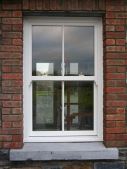 Sliding Sash Windows Lower Holloway Company, call London and Surrey Windows on 0208 058 2765 or use our simple online contact form. Our experienced, independently star rated, Lower Holloway Sliding Sash Window (Installation) Team can assist you with any Sliding Sash Windows in Lower Holloway Reviewed requirements, so please do not hesitate to contact our team on 0208 058 2765.
Timber endures as the traditional and commonly favoured material. Softwood and hardwood options, along with engineered timber, deliver genuine character, good insulation when correctly specified, and the advantage of repairability. Conservation areas and listed buildings often mandate timber exclusively.
To Contact

Modern material options comprise refined uPVC and aluminium systems that closely copy timber profiles. They offer reduced maintenance needs, solid energy performance and varied finishes including wood effects. Aluminium adds strength for larger openings, while uPVC remains the most economical option for many owners.
Sash windows bring a range of functional advantages. Controlled ventilation is achieved by admitting air simultaneously at the upper and lower openings. Balanced dimensions allow generous daylight penetration. When fitted with modern double or triple glazing, draught seals and high-performance glass, they achieve strong energy efficiency and sound insulation.
Restoration and careful replacement are important for the UK’s stock of historic houses. Original units can often be overhauled, sealed against draughts and improved with slim double glazing without loss of character. Newly made timber or accurate replica units help homeowners satisfy the architectural expectations of conservation zones.
Having progressed from aristocratic innovation to everyday feature and returned as a prized heritage element, sash windows retain their significance. Practical usefulness joined with aesthetic grace and historical depth maintains their place at the heart of British housing. Whether renovating Georgian terraces, updating Victorian homes or specifying windows for modern schemes, the sliding sash offers a practical and lasting link between historic craftsmanship and today’s living standards.
Two main mechanical types are produced today. Traditional box sash windows conceal heavy counterweights inside hollow timber boxes, delivering authentic operation and appearance. Modern spring or spiral balanced designs utilise hidden coiled springs that allow reduced frame depth and simpler fitting. Double-hung systems permitting free movement of both sashes, plus single-hung variants, remain standard.
Sash windows stand among the most distinctive and valued elements of British architecture. These vertically operating sliding windows have influenced the look of streets and dwellings throughout the nation for over three hundred years. Elegant proportions, efficient ventilation and classic character ensure they remain the preferred solution for period buildings and many contemporary homes.
The origins of the sash window can be traced to the late seventeenth century. Debate persists about whether the design was first devised in England, the Netherlands or France, yet Britain soon claimed it as its own. Notable early installations exist at Ham House, Surrey, dating from the 1670s. Sir Christopher Wren and his master joiner played an important role in refining and popularising the counterbalanced sliding mechanism.
Throughout the Georgian era of 1714–1837, sash windows developed into their archetypal form. Tall and slender windows arranged in six-over-six patterns became signatures of refined townhouses across London, Bath, Edinburgh and other cities. Constraints of contemporary glass production required multiple slender glazing bars. Strict building regulations after the Great Fire of London also encouraged recessed frames, creating the characteristic deep reveals still seen today.
Victorian developments from 1837 to 1901 introduced important innovations. Progress in glass manufacture supported larger panes and therefore cleaner two-over-two or one-over-one configurations. Decorative horns strengthened the meeting rails against breakage. Bay windows proliferated, and removal of the window tax allowed sash windows to reach households across the social spectrum.
Windows of the Edwardian period, dating approximately 1901 to 1914, frequently blended previous traditions. Six smaller upper panes above two larger lower panes formed a frequent pattern. Overall proportions were often broader and visually lighter than those of the Victorian years.
Pane configurations continue to define period styles. Georgian windows customarily present six-over-six or eight-over-eight grids with delicate bars. Victorian designs prefer two-over-two layouts that increase the glass area. Edwardian versions often join multi-pane upper sections with plain lower sashes.
