
Call London and Surrey Windows for Sliding Sash Windows Company in North Kensington Replacement
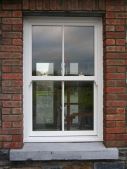 Sliding Sash Windows North Kensington Company, call London and Surrey Windows on 0208 058 2765 or use our simple online contact form. Our experienced, independently star rated, North Kensington Sliding Sash Window (Installation) Team can assist you with any Sliding Sash Windows in North Kensington Replacement requirements, so please do not hesitate to contact our team on 0208 058 2765.
Timber stays the conventional and frequently preferred substance. Softwoods and hardwoods, including engineered timber, offer authentic appearance, excellent thermal performance when properly detailed, and the ability to be repaired rather than replaced. Authorities responsible for conservation areas and listed buildings frequently require timber construction alone.
To Contact

Modern material options comprise refined uPVC and aluminium systems that closely copy timber profiles. Such materials deliver reduced upkeep, comparable energy performance and extensive colour or wood-grain options. Aluminium offers particular strength for larger openings, while uPVC remains the most economical option for many homeowners.
Sash windows bring a range of functional advantages. Controlled ventilation arises from simultaneous air intake at top and bottom. Balanced proportions bring abundant natural light indoors. When fitted with modern double or triple glazing, draught seals and high-performance glass, they achieve strong energy efficiency and sound insulation.
Restoring and carefully replacing sash windows is crucial for the nation’s historic properties. Original units can often be overhauled, sealed against draughts and improved with slim double glazing without loss of character. New timber or high-quality replica windows enable homeowners to maintain architectural integrity in conservation areas.
Sash windows have moved from exclusive innovation through widespread adoption to valued heritage feature once more. Practicality combined with elegance and historical depth ensures they remain a defining element of British homes. Whether updating a Georgian terrace, renewing a Victorian house or installing units in a new scheme, the sliding sash provides a flexible and lasting solution that connects traditional skill with modern requirements.
Today two primary mechanical approaches are employed. Traditional box sash windows conceal heavy counterweights inside hollow timber boxes, delivering authentic operation and appearance. Modern spring or spiral balanced designs utilise hidden coiled springs that allow reduced frame depth and simpler fitting. Double-hung arrangements in which both sashes travel freely, together with single-hung models, continue to be manufactured.
Sash windows constitute one of the most familiar and admired components of British architectural heritage. These upright sliding windows have moulded the façades of streets and houses throughout the United Kingdom for more than three hundred years. Their elegant proportions, practical ventilation and timeless character continue to make them the preferred choice for period properties and many new builds alike.
Origins of the sash window lie in the late seventeenth century. Researchers still differ on whether the design began in England, the Netherlands or France, yet Britain swiftly became the place where it flourished. Notable early installations exist at Ham House, Surrey, dating from the 1670s. Sir Christopher Wren together with expert joiners refined the counterweight mechanism and encouraged its wider use.
During the Georgian period from 1714 to 1837, sash windows reached their classic form. Tall and slender windows arranged in six-over-six patterns became signatures of refined townhouses across London, Bath, Edinburgh and other cities. Limitations in glass manufacture restricted pane size, necessitating multiple delicate glazing bars. Building controls introduced after 1666 favoured recessed positioning, resulting in the deep reveals characteristic of the style.
Between 1837 and 1901 the Victorian age transformed sash design. Improved glass-making techniques enabled bigger panes and therefore cleaner two-over-two or one-over-one layouts. Decorative horns were added to strengthen the meeting rails and prevent breakage. Bay formations grew in popularity, while the ending of the window tax helped sash windows spread to properties of all social levels.
Edwardian examples from around 1901 to 1914 typically merged elements from earlier periods. Six smaller panes above two larger ones formed a typical configuration. Windows tended to be wider and lighter in appearance than their Victorian predecessors.
Glazing patterns still distinguish the various historical styles. Georgian windows typically display six-over-six or eight-over-eight patterns with fine glazing bars. Victorian designs prefer two-over-two arrangements that admit more light. Edwardian versions often join multi-pane upper sections with plain lower sashes.
