
Call London and Surrey Windows for Sliding Sash Windows Company in Waltham Green Replacement
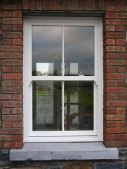 Sliding Sash Windows Waltham Green Company, call London and Surrey Windows on 0208 058 2765 or use our simple online contact form. Our experienced, independently star rated, Waltham Green Sliding Sash Window (Design) Team can assist you with any Sliding Sash Windows in Waltham Green Replacement requirements, so please do not hesitate to contact our team on 0208 058 2765.
Timber remains the traditional and often preferred material. Softwoods, hardwoods and engineered timber deliver authentic looks, strong thermal performance when properly detailed, and the benefit of being repairable. Authorities responsible for conservation areas and listed buildings frequently require timber construction alone.
To Contact

Modern alternatives include high-quality uPVC and aluminium systems designed to replicate timber profiles. These deliver lower maintenance, competitive thermal results and extensive colour or simulated-wood finishes. Aluminium offers particular strength for larger openings, while uPVC remains the most economical option for many homeowners.
The practical benefits of sash windows are numerous. Controlled ventilation arises from simultaneous air intake at top and bottom. Balanced dimensions allow generous daylight penetration. Equipped with current double or triple glazing, effective seals and advanced glass, they deliver high thermal efficiency and acoustic protection.
Restoration and careful replacement are important for the UK’s stock of historic houses. Many original windows can be repaired, sealed against draughts and upgraded with slim-profile double glazing while keeping their original character. New timber or faithful replica units allow owners to uphold the visual integrity demanded in protected locations.
Having progressed from aristocratic innovation to everyday feature and returned as a prized heritage element, sash windows retain their significance. Their combination of practicality, elegance and historical resonance ensures they continue to define British homes. Whether renovating Georgian terraces, updating Victorian homes or specifying windows for modern schemes, the sliding sash offers a practical and lasting link between historic craftsmanship and today’s living standards.
Two main operating systems are available at present. Classic box sash windows hide substantial counterweights within hollow timber cases, providing genuine movement and looks. Contemporary spring or spiral balanced models employ hidden coiled springs that permit narrower profiles and simpler fitting. Double-hung systems allowing independent movement of both sashes, as well as single-hung options, remain widely available.
Among the most iconic and appreciated aspects of British architecture are sash windows. These vertically operating sliding windows have influenced the look of streets and dwellings throughout the nation for over three hundred years. Their elegant proportions, practical ventilation and timeless character continue to make them the preferred choice for period properties and many new builds alike.
The origins of the sash window can be traced to the late seventeenth century. Opinion remains divided on whether the idea first emerged in England, the Low Countries or France, but Britain rapidly adopted and perfected it. Notable early installations exist at Ham House, Surrey, dating from the 1670s. Sir Christopher Wren together with expert joiners refined the counterweight mechanism and encouraged its wider use.
Throughout the Georgian era of 1714–1837, sash windows developed into their archetypal form. Tall slim openings featuring six-over-six panes became defining elements of elegant townhouses in London, Bath, Edinburgh and similar cities. Constraints of contemporary glass production required multiple slender glazing bars. Building controls introduced after 1666 favoured recessed positioning, resulting in the deep reveals characteristic of the style.
Victorian developments from 1837 to 1901 introduced important innovations. Advances in glass production allowed larger panes, leading to simpler two-over-two or even one-over-one configurations. Reinforcing horns were added to the meeting rails. Bay windows grew common, and the end of the window tax allowed sash windows to become standard on homes of all social ranks.
Edwardian sash windows dating from approximately 1901 to 1914 commonly fused earlier stylistic traits. Six smaller upper panes above two larger lower panes formed a frequent pattern. Windows tended to be wider and lighter in appearance than their Victorian predecessors.
Period identity is still conveyed through pane layout. Georgian windows generally exhibit six-over-six or eight-over-eight divisions with fine bars. Victorian counterparts adopt two-over-two patterns that maximise glass area. Edwardian versions often join multi-pane upper sections with plain lower sashes.
