
Call London and Surrey Windows for Sliding Sash Windows Company in East Horsley Replacement
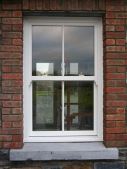 Sliding Sash Windows East Horsley Company, call London and Surrey Windows on 0208 058 2765 or use our simple online contact form. Our experienced, independently star rated, East Horsley Sliding Sash Window (Installation) Team can assist you with any Sliding Sash Windows in East Horsley Replacement requirements, so please do not hesitate to contact our team on 0208 058 2765.
Timber remains the traditional and often preferred material. Softwood and hardwood options, along with engineered timber, deliver genuine character, good insulation when correctly specified, and the advantage of repairability. Authorities responsible for conservation areas and listed buildings frequently require timber construction alone.
To Contact

Modern material options comprise refined uPVC and aluminium systems that closely copy timber profiles. Such materials deliver reduced upkeep, comparable energy performance and extensive colour or wood-grain options. Aluminium provides additional strength for expansive openings; uPVC supplies the budget-friendly solution for many households.
Sash windows bring a range of functional advantages. Controlled ventilation is achieved by admitting air simultaneously at the upper and lower openings. Harmonious proportions admit abundant natural light. Equipped with current double or triple glazing, effective seals and advanced glass, they deliver high thermal efficiency and acoustic protection.
Restoration and careful replacement are important for the UK’s stock of historic houses. Many original frames can be repaired, draught-sealed and fitted with slim double glazing while keeping their character intact. Fresh timber or accurate replica windows help owners preserve the architectural quality required in protected areas.
Having progressed from aristocratic innovation to everyday feature and returned as a prized heritage element, sash windows retain their significance. Their combination of practicality, elegance and historical resonance ensures they continue to define British homes. Whether renovating Georgian terraces, updating Victorian homes or specifying windows for modern schemes, the sliding sash offers a practical and lasting link between historic craftsmanship and today’s living standards.
Two principal mechanical types exist today. Classic box sash windows enclose heavy weights inside hollow timber boxes, preserving authentic movement and visual qualities. Modern spring-balanced versions employ concealed spiral springs that permit thinner frames and easier installation. Double-hung arrangements in which both sashes travel freely, together with single-hung models, continue to be manufactured.
Sash windows stand among the most distinctive and valued elements of British architecture. These vertically sliding windows have shaped the appearance of streets and homes across the country for more than three centuries. Their refined proportions, effective ventilation and lasting appeal ensure they stay the favoured option for historic houses and numerous contemporary projects.
Origins of the sash window lie in the late seventeenth century. Historians still debate whether the design first appeared in England, the Netherlands or France, yet Britain quickly became its true home. Surviving early instances can be found at places such as Ham House in Surrey from the 1670s. Sir Christopher Wren and his joiners refined the counterweight system and promoted its wider acceptance.
Throughout the Georgian era of 1714–1837, sash windows developed into their archetypal form. Tall narrow windows with six-over-six glazing patterns became emblematic of sophisticated townhouses in London, Bath, Edinburgh and elsewhere. Restricted pane sizes resulting from glass technology required numerous thin glazing bars. Strict building regulations after the Great Fire of London also encouraged recessed frames, creating the characteristic deep reveals still seen today.
The Victorian era brought significant change between 1837 and 1901. Improved glass-making techniques enabled bigger panes and therefore cleaner two-over-two or one-over-one layouts. Reinforcing horns were added to the meeting rails. Bay windows grew common, and the end of the window tax allowed sash windows to become standard on homes of all social ranks.
Windows of the Edwardian period, dating approximately 1901 to 1914, frequently blended previous traditions. A characteristic layout placed six smaller panes in the top sash over two larger ones below. These windows generally appeared broader and less heavy than Victorian counterparts.
Period identity is still conveyed through pane layout. Georgian windows characteristically show six-over-six or eight-over-eight patterns with fine bars. Victorian counterparts adopt two-over-two patterns that maximise glass area. Edwardian windows often combine multi-pane upper sashes with clear lower panes.
