
Call London and Surrey Windows for Sliding Sash Windows Company in Godalming Best
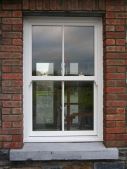 Sliding Sash Windows Godalming Company, call London and Surrey Windows on 0208 058 2765 or use our simple online contact form. Our experienced, independently star rated, Godalming Sliding Sash Window (UK) Team can assist you with any Sliding Sash Windows in Godalming Best requirements, so please do not hesitate to contact our team on 0208 058 2765.
Timber remains the traditional and often preferred material. Softwoods, hardwoods and engineered products supply authentic looks, strong thermal qualities when well detailed, and the capacity for repair rather than wholesale replacement. In conservation areas and listed buildings, timber is frequently the only material accepted by planning authorities.
To Contact

Modern material choices include quality uPVC and aluminium systems created to match timber profiles. They supply reduced maintenance, comparable energy efficiency and a broad selection of colours or wood-effect finishes. Aluminium supplies extra rigidity for wide spans, whereas uPVC offers the most cost-effective route for many owners.
Practical advantages of sash windows are considerable. They deliver excellent controlled ventilation by allowing air to enter at both the top and bottom simultaneously. Their balanced proportions flood interiors with natural light. Equipped with current double or triple glazing, effective seals and advanced glass, they deliver high thermal efficiency and acoustic protection.
Restoration and careful replacement are important for the UK’s stock of historic houses. Original windows can frequently be repaired, draught-proofed and enhanced with slim double glazing without sacrificing character. New timber or faithful replica units allow owners to uphold the visual integrity demanded in protected locations.
From exclusive novelty to common feature and once more to treasured heritage element, sash windows have completed a full circle. Practical usefulness joined with aesthetic grace and historical depth maintains their place at the heart of British housing. Whether updating a Georgian terrace, renewing a Victorian house or installing units in a new scheme, the sliding sash provides a flexible and lasting solution that connects traditional skill with modern requirements.
Two principal mechanical types exist today. Traditional box sash windows conceal heavy counterweights inside hollow timber boxes, delivering authentic operation and appearance. Modern spring-balanced versions employ concealed spiral springs that permit thinner frames and easier installation. Double-hung units allowing independent movement of both sashes, together with single-hung alternatives, continue to be produced.
Sash windows constitute one of the most familiar and admired components of British architectural heritage. Vertically sliding windows of this type have influenced the appearance of streets and residences across the country for well over three centuries. Refined proportions, reliable ventilation and enduring style keep them the selection of choice for period dwellings and a good many new constructions.
The story of the sash window starts in the closing decades of the seventeenth century. Researchers still differ on whether the design began in England, the Netherlands or France, yet Britain swiftly became the place where it flourished. Notable early installations exist at Ham House, Surrey, dating from the 1670s. Collaboration between Sir Christopher Wren and skilled joiners advanced the counterbalanced system and accelerated its adoption.
Throughout the Georgian era of 1714–1837, sash windows developed into their archetypal form. Tall slim openings featuring six-over-six panes became defining elements of elegant townhouses in London, Bath, Edinburgh and similar cities. Restricted glass sizes demanded numerous fine glazing bars. Building regulations following the Great Fire encouraged recessed frames, producing the deep reveals that characterise the style to this day.
Victorian innovation between 1837 and 1901 altered sash window design substantially. Progress in glass manufacture supported larger panes and therefore cleaner two-over-two or one-over-one configurations. Reinforcing horns were added to the meeting rails. Bay windows became increasingly popular, and sash windows appeared on homes of every social class after the repeal of the window tax.
Windows of the Edwardian period, dating approximately 1901 to 1914, frequently blended previous traditions. Six smaller upper panes above two larger lower panes formed a frequent pattern. Proportions tended to be wider and less substantial than those of the preceding Victorian period.
Glazing patterns still distinguish the various historical styles. Georgian windows customarily present six-over-six or eight-over-eight grids with delicate bars. Victorian designs prefer two-over-two arrangements that admit more light. Edwardian designs often unite multi-pane upper sashes with unrestricted lower panes.
