
Call London and Surrey Windows for Sliding Sash Windows Company in New Haw Best
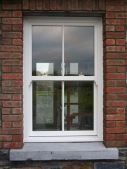 Sliding Sash Windows New Haw Company, call London and Surrey Windows on 0208 058 2765 or use our simple online contact form. Our experienced, independently star rated, New Haw Sliding Sash Window (Installation) Team can assist you with any Sliding Sash Windows in New Haw Best requirements, so please do not hesitate to contact our team on 0208 058 2765.
Timber stays the conventional and frequently preferred substance. Softwoods and hardwoods, including engineered timber, offer authentic appearance, excellent thermal performance when properly detailed, and the ability to be repaired rather than replaced. In conservation areas and listed buildings, timber is regularly the sole material permitted by planning rules.
To Contact

Modern material choices include quality uPVC and aluminium systems created to match timber profiles. Such materials deliver reduced upkeep, comparable energy performance and extensive colour or wood-grain options. Aluminium contributes greater strength for wider spans, while uPVC represents the most affordable route for numerous householders.
Numerous practical advantages accompany sash windows. Controlled ventilation arises from simultaneous air intake at top and bottom. Harmonious proportions admit abundant natural light. Equipped with current double or triple glazing, effective seals and advanced glass, they deliver high thermal efficiency and acoustic protection.
Restoration work and sensitive replacement play an essential role in preserving Britain’s historic housing. Original windows can frequently be repaired, draught-proofed and enhanced with slim double glazing without sacrificing character. New timber or high-quality replica windows enable homeowners to maintain architectural integrity in conservation areas.
Sash windows have moved from exclusive innovation through widespread adoption to valued heritage feature once more. A blend of usefulness, visual refinement and historical depth keeps them central to British domestic architecture. Whether updating a Georgian terrace, renewing a Victorian house or installing units in a new scheme, the sliding sash provides a flexible and lasting solution that connects traditional skill with modern requirements.
Two principal mechanical types exist today. Classic box sash windows hide substantial counterweights within hollow timber cases, providing genuine movement and looks. Contemporary spring or spiral balanced models employ hidden coiled springs that permit narrower profiles and simpler fitting. Both double-hung designs, in which the upper and lower sashes move independently, and single-hung versions remain available.
Sash windows constitute one of the most familiar and admired components of British architectural heritage. Vertically sliding designs have determined the character of thoroughfares and residences nationwide for upwards of three centuries. Elegant proportions, efficient ventilation and classic character ensure they remain the preferred solution for period buildings and many contemporary homes.
The story of the sash window starts in the closing decades of the seventeenth century. Opinion remains divided on whether the idea first emerged in England, the Low Countries or France, but Britain rapidly adopted and perfected it. Some of the earliest known examples survive at Ham House, Surrey, from the 1670s. Collaboration between Sir Christopher Wren and skilled joiners advanced the counterbalanced system and accelerated its adoption.
In the Georgian years spanning 1714 to 1837, sash windows attained their defining expression. Tall slim openings featuring six-over-six panes became defining elements of elegant townhouses in London, Bath, Edinburgh and similar cities. Restricted pane sizes resulting from glass technology required numerous thin glazing bars. Strict building regulations after the Great Fire of London also encouraged recessed frames, creating the characteristic deep reveals still seen today.
Victorian developments from 1837 to 1901 introduced important innovations. Advances in glass production allowed larger panes, leading to simpler two-over-two or even one-over-one configurations. Reinforcing horns were added to the meeting rails. Bay windows grew common, and the end of the window tax allowed sash windows to become standard on homes of all social ranks.
Edwardian sash windows, produced roughly between 1901 and 1914, often combined earlier influences. Six smaller panes above two larger ones formed a typical configuration. Windows of this period were generally wider and visually lighter than Victorian examples.
Glazing bar patterns remain the clearest indicator of period style. Georgian windows generally exhibit six-over-six or eight-over-eight divisions with fine bars. Victorian designs prefer two-over-two arrangements that admit more light. Edwardian designs often unite multi-pane upper sashes with unrestricted lower panes.
