
Call London and Surrey Windows for Sliding Sash Windows Company in Guildford Reviewed
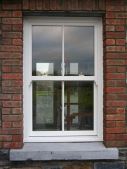 Sliding Sash Windows Guildford Company, call London and Surrey Windows on 0208 058 2765 or use our simple online contact form. Our experienced, independently star rated, Guildford Sliding Sash Window (Installs) Team can assist you with any Sliding Sash Windows in Guildford Reviewed requirements, so please do not hesitate to contact our team on 0208 058 2765.
Timber stays the conventional and frequently preferred substance. Softwood and hardwood options, along with engineered timber, deliver genuine character, good insulation when correctly specified, and the advantage of repairability. Conservation areas and listed buildings often mandate timber exclusively.
To Contact

Modern material options comprise refined uPVC and aluminium systems that closely copy timber profiles. These materials provide lower maintenance, competitive thermal performance and a wide range of colours and wood-effect finishes. Aluminium offers particular strength for larger openings, while uPVC remains the most economical option for many homeowners.
Sash windows bring a range of functional advantages. Simultaneous top and bottom openings create effective controlled airflow. Harmonious proportions admit abundant natural light. When fitted with modern double or triple glazing, draught seals and high-performance glass, they achieve strong energy efficiency and sound insulation.
Restoration and sensitive replacement remain vital for the UK’s historic housing stock. Many original windows can be repaired, draught-proofed and upgraded with slim-profile double glazing while retaining their character. Fresh timber or accurate replica windows help owners preserve the architectural quality required in protected areas.
Sash windows have evolved from aristocratic novelty to everyday feature and back to prized heritage asset. Their combination of practicality, elegance and historical resonance ensures they continue to define British homes. Whether renewing a Georgian terrace, upgrading a Victorian property or installing windows in a contemporary development, the sliding sash supplies a flexible and lasting connection between traditional skill and current living needs.
Two main mechanical types are produced today. Traditional box-sash construction houses weights within hollow timber frames, ensuring authentic operation and appearance. Modern spring-balanced versions employ concealed spiral springs that permit thinner frames and easier installation. Double-hung arrangements in which both sashes travel freely, together with single-hung models, continue to be manufactured.
Sash windows stand among the most distinctive and valued elements of British architecture. These vertically sliding windows have shaped the appearance of streets and homes across the country for more than three centuries. Refined proportions, reliable ventilation and enduring style keep them the selection of choice for period dwellings and a good many new constructions.
The history of the sash window begins in the late 1600s. Historians still debate whether the design first appeared in England, the Netherlands or France, yet Britain quickly became its true home. Early examples appeared at properties such as Ham House in Surrey during the 1670s. Sir Christopher Wren together with expert joiners refined the counterweight mechanism and encouraged its wider use.
Georgian architecture between 1714 and 1837 saw sash windows achieve their mature classic expression. Tall narrow openings with six-over-six glazing became emblematic of stylish urban houses in major centres including London, Bath and Edinburgh. Glassmaking technology limited the size of individual panes, so numerous slender glazing bars were required. Strict building regulations after the Great Fire of London also encouraged recessed frames, creating the characteristic deep reveals still seen today.
The Victorian era brought significant change between 1837 and 1901. Improved glass-making techniques enabled bigger panes and therefore cleaner two-over-two or one-over-one layouts. Decorative horns strengthened the meeting rails against breakage. Bay windows became increasingly popular, and sash windows appeared on homes of every social class after the repeal of the window tax.
Edwardian examples from around 1901 to 1914 typically merged elements from earlier periods. Six smaller panes above two larger ones formed a typical configuration. Overall proportions were often broader and visually lighter than those of the Victorian years.
Period identity is still conveyed through pane layout. Georgian windows customarily present six-over-six or eight-over-eight grids with delicate bars. Victorian examples favour two-over-two layouts with larger glass areas. Edwardian versions often join multi-pane upper sections with plain lower sashes.
