
Call London and Surrey Windows for Sliding Sash Windows Company in Waterloo Best
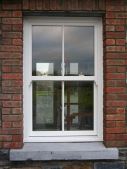 Sliding Sash Windows Waterloo Company, call London and Surrey Windows on 0208 058 2765 or use our simple online contact form. Our experienced, independently star rated, Waterloo Sliding Sash Window (Design) Team can assist you with any Sliding Sash Windows in Waterloo Best requirements, so please do not hesitate to contact our team on 0208 058 2765.
Wood continues as the classic and widely favoured choice of material. Softwoods and hardwoods, including engineered timber, offer authentic appearance, excellent thermal performance when properly detailed, and the ability to be repaired rather than replaced. In conservation areas and listed buildings, timber is frequently the only material accepted by planning authorities.
To Contact

Present-day alternatives feature high-grade uPVC and aluminium systems engineered to echo timber profiles. Such materials deliver reduced upkeep, comparable energy performance and extensive colour or wood-grain options. Aluminium provides additional strength for expansive openings; uPVC supplies the budget-friendly solution for many households.
The practical benefits of sash windows are numerous. They deliver excellent controlled ventilation by allowing air to enter at both the top and bottom simultaneously. Harmonious proportions admit abundant natural light. When equipped with modern double or triple glazing, draught seals and high-performance glass, they deliver strong energy efficiency and sound insulation.
Careful restoration and thoughtful replacement are essential for Britain’s period housing. Original units can often be overhauled, sealed against draughts and improved with slim double glazing without loss of character. Newly made timber or accurate replica units help homeowners satisfy the architectural expectations of conservation zones.
Having progressed from aristocratic innovation to everyday feature and returned as a prized heritage element, sash windows retain their significance. Practical usefulness joined with aesthetic grace and historical depth maintains their place at the heart of British housing. Whether restoring Georgian terraces, replacing windows in Victorian villas or specifying units for modern developments, the sliding sash continues as a versatile and enduring choice that joins past craftsmanship with present-day standards.
Today two primary mechanical approaches are employed. Traditional box sash windows house substantial counterweights within hollow timber frames, guaranteeing authentic operation and appearance. Modern spring-balanced or spiral-balanced versions use concealed spiral springs, allowing slimmer frames and easier installation. Double-hung units allowing independent movement of both sashes, together with single-hung alternatives, continue to be produced.
Sash windows remain one of the most recognisable and cherished features of British architecture. Vertically sliding designs have determined the character of thoroughfares and residences nationwide for upwards of three centuries. Elegant proportions, efficient ventilation and classic character ensure they remain the preferred solution for period buildings and many contemporary homes.
The history of the sash window begins in the late 1600s. Opinion remains divided on whether the idea first emerged in England, the Low Countries or France, but Britain rapidly adopted and perfected it. Early surviving examples are recorded at Ham House in Surrey from the 1670s onwards. Sir Christopher Wren and his master joiner played an important role in refining and popularising the counterbalanced sliding mechanism.
During the Georgian period from 1714 to 1837, sash windows reached their classic form. Tall and slender windows arranged in six-over-six patterns became signatures of refined townhouses across London, Bath, Edinburgh and other cities. Limitations in glass manufacture restricted pane size, necessitating multiple delicate glazing bars. Post-Great Fire building laws promoted set-back frames, producing the familiar deep reveals still visible now.
Between 1837 and 1901 the Victorian age transformed sash design. Progress in glass manufacture supported larger panes and therefore cleaner two-over-two or one-over-one configurations. Decorative horns strengthened the meeting rails against breakage. Bay windows increased in frequency, and abolition of the window tax enabled sash windows to appear on dwellings of every class.
Windows of the Edwardian period, dating approximately 1901 to 1914, frequently blended previous traditions. Six smaller upper panes above two larger lower panes formed a frequent pattern. Overall proportions were often broader and visually lighter than those of the Victorian years.
Glazing patterns still distinguish the various historical styles. Georgian windows generally exhibit six-over-six or eight-over-eight divisions with fine bars. Victorian examples lean towards two-over-two layouts admitting greater light. Edwardian windows often combine multi-pane upper sashes with clear lower panes.
