
Call London and Surrey Windows for Sliding Sash Windows Company in Shadwell Replacement
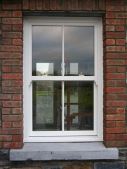 Sliding Sash Windows Shadwell Company, call London and Surrey Windows on 0208 058 2765 or use our simple online contact form. Our experienced, independently star rated, Shadwell Sliding Sash Window (Installation) Team can assist you with any Sliding Sash Windows in Shadwell Replacement requirements, so please do not hesitate to contact our team on 0208 058 2765.
Timber remains the traditional and often preferred material. Softwoods and hardwoods, including engineered timber, offer authentic appearance, excellent thermal performance when properly detailed, and the ability to be repaired rather than replaced. Authorities responsible for conservation areas and listed buildings frequently require timber construction alone.
To Contact

Present-day alternatives feature high-grade uPVC and aluminium systems engineered to echo timber profiles. Such materials deliver reduced upkeep, comparable energy performance and extensive colour or wood-grain options. Aluminium contributes greater strength for wider spans, while uPVC represents the most affordable route for numerous householders.
Sash windows bring a range of functional advantages. They deliver excellent controlled ventilation by allowing air to enter at both the top and bottom simultaneously. Their balanced proportions flood interiors with natural light. Fitted with modern double or triple glazing, seals and performance glass, they achieve high levels of energy efficiency and acoustic insulation.
Restoring and carefully replacing sash windows is crucial for the nation’s historic properties. Many original frames can be repaired, draught-sealed and fitted with slim double glazing while keeping their character intact. New timber or high-quality replica windows enable homeowners to maintain architectural integrity in conservation areas.
Sash windows have travelled from exclusive novelty through common use and returned as a valued heritage feature. Their combination of practicality, elegance and historical resonance ensures they continue to define British homes. Whether renewing a Georgian terrace, upgrading a Victorian property or installing windows in a contemporary development, the sliding sash supplies a flexible and lasting connection between traditional skill and current living needs.
Two main mechanical types are produced today. Traditional box-sash construction houses weights within hollow timber frames, ensuring authentic operation and appearance. Spring-balanced alternatives rely on concealed spiral mechanisms that support thinner sections and more straightforward installation. Double-hung systems allowing independent movement of both sashes, as well as single-hung options, remain widely available.
Sash windows stand among the most distinctive and valued elements of British architecture. Vertically sliding windows of this type have influenced the appearance of streets and residences across the country for well over three centuries. Their refined proportions, effective ventilation and lasting appeal ensure they stay the favoured option for historic houses and numerous contemporary projects.
Origins of the sash window lie in the late seventeenth century. Scholars continue to discuss whether the concept originated in England, Holland or France, although Britain soon established itself as the design’s principal home. Surviving early instances can be found at places such as Ham House in Surrey from the 1670s. Sir Christopher Wren together with expert joiners refined the counterweight mechanism and encouraged its wider use.
In the Georgian years spanning 1714 to 1837, sash windows attained their defining expression. Tall narrow windows with six-over-six glazing patterns became emblematic of sophisticated townhouses in London, Bath, Edinburgh and elsewhere. Limitations in glass manufacture restricted pane size, necessitating multiple delicate glazing bars. Strict building regulations after the Great Fire of London also encouraged recessed frames, creating the characteristic deep reveals still seen today.
Victorian innovation between 1837 and 1901 altered sash window design substantially. Progress in glass manufacture supported larger panes and therefore cleaner two-over-two or one-over-one configurations. Projecting horns were introduced to reinforce the meeting rails against damage. Bay windows became increasingly popular, and sash windows appeared on homes of every social class after the repeal of the window tax.
Edwardian sash windows, produced roughly between 1901 and 1914, often combined earlier influences. Six smaller panes above two larger ones formed a typical configuration. Windows of this period were generally wider and visually lighter than Victorian examples.
Glazing patterns still distinguish the various historical styles. Georgian windows characteristically show six-over-six or eight-over-eight patterns with fine bars. Victorian counterparts adopt two-over-two patterns that maximise glass area. Edwardian designs frequently mix multi-pane upper sashes with clear lower ones.
