
Call London and Surrey Windows for Sliding Sash Windows Company in Holborn Certified
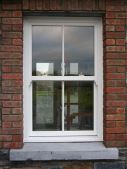 Sliding Sash Windows Holborn Company, call London and Surrey Windows on 0208 058 2765 or use our simple online contact form. Our experienced, independently star rated, Holborn Sliding Sash Window (Specialists) Team can assist you with any Sliding Sash Windows in Holborn Certified requirements, so please do not hesitate to contact our team on 0208 058 2765.
Timber remains the traditional and often preferred material. Softwoods and hardwoods, including engineered timber, offer authentic appearance, excellent thermal performance when properly detailed, and the ability to be repaired rather than replaced. In conservation areas and listed buildings, timber is frequently the only material accepted by planning authorities.
To Contact

Modern material choices include quality uPVC and aluminium systems created to match timber profiles. Such materials deliver reduced upkeep, comparable energy performance and extensive colour or wood-grain options. Aluminium supplies extra rigidity for wide spans, whereas uPVC offers the most cost-effective route for many owners.
Sash windows offer many practical benefits. Controlled ventilation arises from simultaneous air intake at top and bottom. Balanced proportions allow generous daylight to enter rooms. When fitted with modern double or triple glazing, draught seals and high-performance glass, they achieve strong energy efficiency and sound insulation.
Careful restoration and thoughtful replacement are essential for Britain’s period housing. Original windows can frequently be repaired, draught-proofed and enhanced with slim double glazing without sacrificing character. New timber or high-quality replica windows help owners preserve architectural integrity within conservation areas.
Having progressed from aristocratic innovation to everyday feature and returned as a prized heritage element, sash windows retain their significance. Practicality combined with elegance and historical depth ensures they remain a defining element of British homes. Whether updating a Georgian terrace, renewing a Victorian house or installing units in a new scheme, the sliding sash provides a flexible and lasting solution that connects traditional skill with modern requirements.
Two main operating systems are available at present. Traditional box sash windows conceal heavy counterweights inside hollow timber boxes, delivering authentic operation and appearance. Contemporary spring or spiral balanced models employ hidden coiled springs that permit narrower profiles and simpler fitting. Double-hung arrangements in which both sashes travel freely, together with single-hung models, continue to be manufactured.
Sash windows rank among the most characteristic and valued features of architecture in the United Kingdom. These vertically operating sliding windows have influenced the look of streets and dwellings throughout the nation for over three hundred years. Their graceful proportions, practical ventilation qualities and lasting style continue to make them the first choice for period properties and many modern buildings.
Origins of the sash window lie in the late seventeenth century. Scholars continue to discuss whether the concept originated in England, Holland or France, although Britain soon established itself as the design’s principal home. Early examples appeared at properties such as Ham House in Surrey during the 1670s. Collaboration between Sir Christopher Wren and skilled joiners advanced the counterbalanced system and accelerated its adoption.
Throughout the Georgian era of 1714–1837, sash windows developed into their archetypal form. Tall and slender windows arranged in six-over-six patterns became signatures of refined townhouses across London, Bath, Edinburgh and other cities. Limitations in glass manufacture restricted pane size, necessitating multiple delicate glazing bars. Building regulations following the Great Fire encouraged recessed frames, producing the deep reveals that characterise the style to this day.
Victorian developments from 1837 to 1901 introduced important innovations. Advances in glass production allowed larger panes, leading to simpler two-over-two or even one-over-one configurations. Decorative horns strengthened the meeting rails against breakage. Bay windows increased in frequency, and abolition of the window tax enabled sash windows to appear on dwellings of every class.
Edwardian sash windows dating from approximately 1901 to 1914 commonly fused earlier stylistic traits. A common arrangement featured six smaller panes in the upper sash above two larger panes below. Overall proportions were often broader and visually lighter than those of the Victorian years.
Glazing bar patterns remain the clearest indicator of period style. Georgian examples usually show six-over-six or eight-over-eight divisions supported by slender bars. Victorian counterparts adopt two-over-two patterns that maximise glass area. Edwardian windows commonly pair multi-pane upper sashes with clear lower ones.
