
Call London and Surrey Windows for Sliding Sash Windows Company in Thornton Heath Best
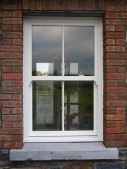 Sliding Sash Windows Thornton Heath Company, call London and Surrey Windows on 0208 058 2765 or use our simple online contact form. Our experienced, independently star rated, Thornton Heath Sliding Sash Window (Installs) Team can assist you with any Sliding Sash Windows in Thornton Heath Best requirements, so please do not hesitate to contact our team on 0208 058 2765.
Timber endures as the traditional and commonly favoured material. Softwoods, hardwoods and engineered timber deliver authentic looks, strong thermal performance when properly detailed, and the benefit of being repairable. In conservation areas and listed buildings, timber is regularly the sole material permitted by planning rules.
To Contact

Modern material choices include quality uPVC and aluminium systems created to match timber profiles. These deliver lower maintenance, competitive thermal results and extensive colour or simulated-wood finishes. Aluminium contributes greater strength for wider spans, while uPVC represents the most affordable route for numerous householders.
Numerous practical advantages accompany sash windows. Controlled ventilation arises from simultaneous air intake at top and bottom. Balanced dimensions allow generous daylight penetration. With contemporary double or triple glazing, seals and high-specification glass they attain impressive energy efficiency and noise reduction.
Restoration work and sensitive replacement play an essential role in preserving Britain’s historic housing. Original units can often be overhauled, sealed against draughts and improved with slim double glazing without loss of character. New timber or high-quality replica windows enable homeowners to maintain architectural integrity in conservation areas.
Sash windows have travelled from exclusive novelty through common use and returned as a valued heritage feature. Practical usefulness joined with aesthetic grace and historical depth maintains their place at the heart of British housing. Whether restoring a Georgian terrace, replacing windows in a Victorian villa or specifying new installations for a modern development, the sliding sash remains a versatile and enduring choice that links past craftsmanship with present-day living standards.
Two main mechanical types are produced today. Traditional box sash windows house substantial counterweights within hollow timber frames, guaranteeing authentic operation and appearance. Modern spring-balanced or spiral-balanced versions use concealed spiral springs, allowing slimmer frames and easier installation. Double-hung systems allowing independent movement of both sashes, as well as single-hung options, remain widely available.
Sash windows remain one of the most recognisable and cherished features of British architecture. Vertically sliding windows of this type have influenced the appearance of streets and residences across the country for well over three centuries. Their graceful proportions, practical ventilation qualities and lasting style continue to make them the first choice for period properties and many modern buildings.
The history of the sash window begins in the late 1600s. Historians still debate whether the design first appeared in England, the Netherlands or France, yet Britain quickly became its true home. Some of the earliest known examples survive at Ham House, Surrey, from the 1670s. Sir Christopher Wren and his master joiner played an important role in refining and popularising the counterbalanced sliding mechanism.
During the Georgian period from 1714 to 1837, sash windows reached their classic form. Tall narrow windows with six-over-six glazing patterns became emblematic of sophisticated townhouses in London, Bath, Edinburgh and elsewhere. Glassmaking technology limited the size of individual panes, so numerous slender glazing bars were required. Fire-related building statutes encouraged frames to be set back, generating the deep reveals that remain distinctive today.
Victorian developments spanning 1837 to 1901 introduced major advances. Improved glass manufacturing permitted larger panes and therefore simpler two-over-two or one-over-one arrangements. Decorative horns were added to strengthen the meeting rails and prevent breakage. Bay windows increased in frequency, and abolition of the window tax enabled sash windows to appear on dwellings of every class.
Edwardian sash windows, produced roughly between 1901 and 1914, often combined earlier influences. A characteristic layout placed six smaller panes in the top sash over two larger ones below. Proportions tended to be wider and less substantial than those of the preceding Victorian period.
Pane configurations continue to define period styles. Georgian windows generally exhibit six-over-six or eight-over-eight divisions with fine bars. Victorian examples lean towards two-over-two layouts admitting greater light. Edwardian windows often combine multi-pane upper sashes with clear lower panes.
